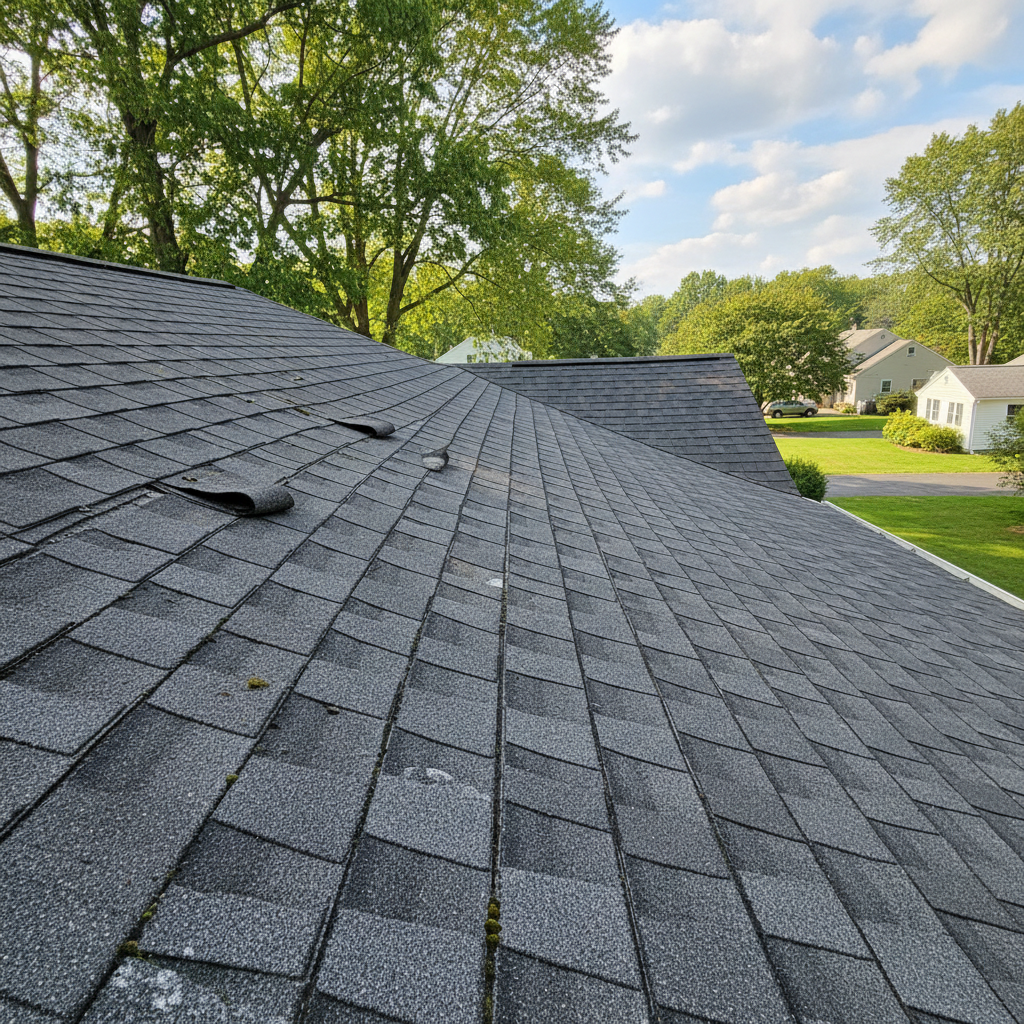
Alright, let's talk about that roof of yours. You've noticed a drip, or maybe a shingle flew off in one of those crazy winter storms we get here in Barrington. Now you're wondering, "Do I just patch it up, or am I looking at something bigger?" It's a common question, and honestly, there's no single right answer for every situation. But I can tell you what I've seen work – and what usually doesn't – for homes around here.
Patching Up: The Quick Fix
When we talk about patching, we're usually looking at a very localized issue. Maybe it's one or two missing shingles, a small crack, or a tiny area where the flashing around a vent has come loose. It's like putting a band-aid on a cut. It stops the immediate bleeding, so to speak.
- Cost: This is where patching shines. It's almost always the cheapest option upfront. You're paying for a few materials and a couple of hours of labor. For a minor repair, you might be looking at a few hundred bucks, depending on how tricky it is to access.
- Durability: This is where it gets tricky. A good patch, done right, can hold up for a while. But it's only as strong as the surrounding roof. If the shingles next to the patch are old and brittle, or if the underlying decking is starting to rot, that patch isn't going to last. It's a temporary solution for a localized problem, not a long-term fix for an aging roof.
- Maintenance: You'll want to keep an eye on it. Patches can sometimes fail before the rest of the roof, especially if they're exposed to the harsh sun and sea air we get so much of on the East Bay. You might find yourself patching the patch, or patching another spot nearby, in a few years.
- Appearance: Unless you've got matching shingles that are still in production, a patch is probably going to stand out. New shingles often look different from weathered ones, even if they're the same color. It's not usually a big deal for a small spot, but it's something to consider if aesthetics are important to you.
I've done plenty of patches for folks in Rumstick Point and down by the water. Sometimes it's all you need to get another year or two out of a roof that's otherwise in decent shape. But you've got to be realistic about its lifespan.
Replacing a Section or Slope: The More Substantial Repair
Now, if you've got a bigger problem – say, a whole section of shingles blown off, widespread granule loss, or significant water damage that's affected more than just a tiny spot – then we're probably talking about replacing a larger section, or even an entire roof slope. This isn't just a band-aid; it's more like getting stitches or a cast.
- Cost: Naturally, this is going to be more expensive than a simple patch. You're buying more materials, and it's a bigger job. However, if your roof is nearing the end of its life, and you're patching it every year, the cumulative cost of those patches can start to add up to what a section replacement would have been. Think of it as an investment that saves you money in the long run by preventing more extensive damage.
- Durability: This is where you get real peace of mind. When you replace a section, you're not just fixing the surface; you're often getting a chance to inspect the decking underneath, replace any damaged underlayment, and ensure everything is sealed up tight. You're installing new, robust materials that are designed to last for decades. This is especially important with the heavy snow loads and high winds we see around here.
- Maintenance: Once a section is replaced, it should be pretty low maintenance. You've got fresh, new materials that are all working together as a system. You're not constantly worrying about the next weak spot.
- Appearance: This can be a mixed bag. If you replace an entire slope, it'll look uniform and great. If you replace just a section, there might still be a color difference between the new and old shingles, but it'll be a larger, more intentional-looking repair than a small patch. Sometimes, if the roof is old enough, it's hard to match, but a good contractor like us at Quantum Roofing & Siding will do our best to find the closest match possible.
My Takeaway for Barrington Homeowners
Here's the deal: if your roof is relatively young (under 10-15 years old) and you've got a very isolated, minor issue, a patch can absolutely be the right call. It's cost-effective and gets the job done. But if your roof is older, say 15-20+ years, or if you're seeing multiple issues popping up, then you really need to consider a more substantial repair, like replacing a section or even planning for a full replacement soon. That's especially true if you're seeing moss or algae growth, which is common in our damp coastal climate, indicating that your shingles are losing their protective granules.
You don't want to be constantly chasing leaks. It's frustrating, and those small leaks can lead to much bigger, more expensive problems like damaged insulation, compromised attic spaces, or even structural issues if left unchecked. A good contractor will always give you an honest assessment of your roof's overall health, not just the immediate problem area. We'll tell you if a patch is truly going to hold, or if you're just kicking the can down the road.
Ultimately, it comes down to what makes sense for your home and your budget. But remember, a roof isn't just about keeping the rain out; it's a critical part of your home's structure and value. Don't skimp on making the right choice.