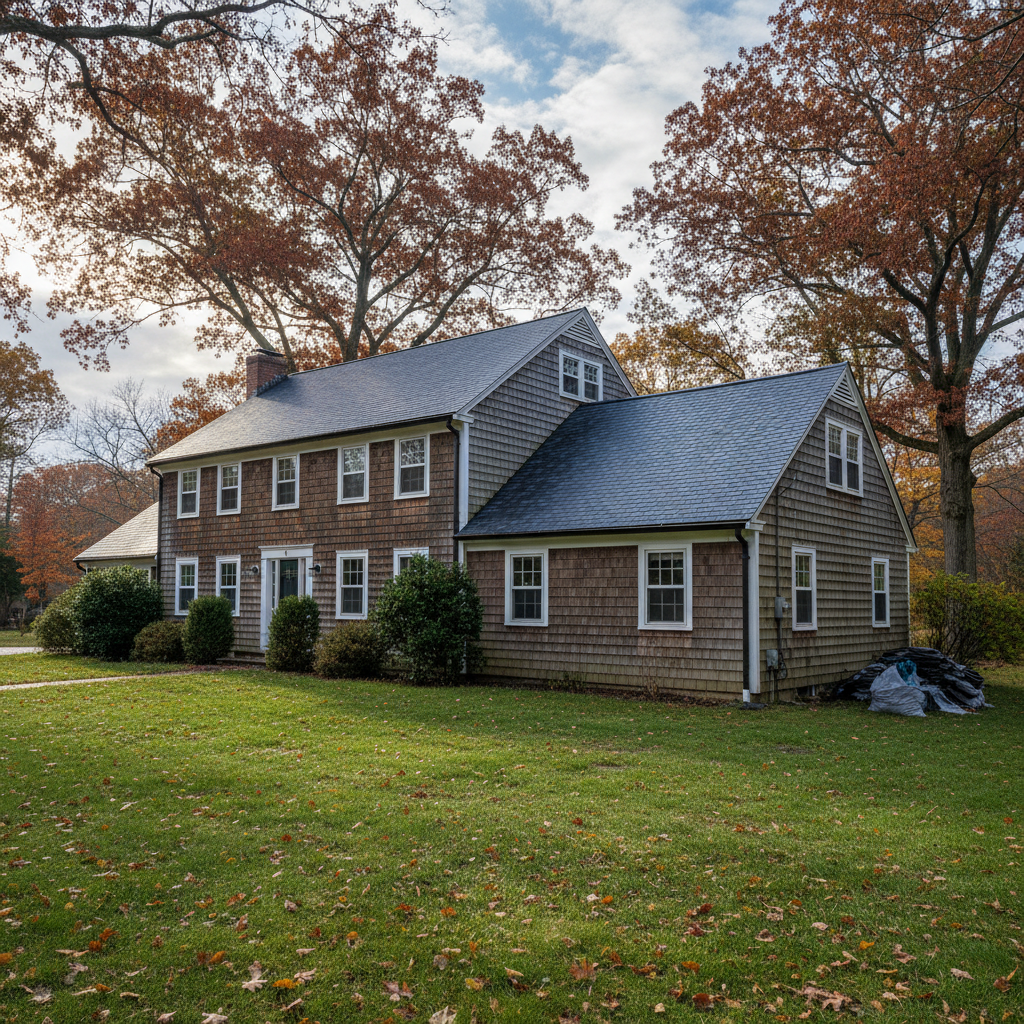
Your roof just took a beating, didn't it? Whether it was a nor'easter ripping through in winter or a summer squall with hail, storm damage is just a fact of life here in Barrington. The big question I get asked a lot is, "When's the best time to fix this?" It's not always as simple as 'right now,' especially with our New England weather, you know?
Understanding Barrington's Climate & Your Roof
We've got a unique climate, don't we? From the salty air off Narragansett Bay that can speed up corrosion to those brutal freeze-thaw cycles that really mess with shingles and flashing. Then there's the wind. Oh, the wind! It's not just the big hurricanes; even a strong gust off the water can lift a loose shingle or tear off a piece of siding. That's why I always tell folks around Rumstick Point, where homes are more exposed, to be extra vigilant.
When a storm hits, your first priority is always safety. Once it's safe, take a look. From the ground, can you see missing shingles? Dented gutters? Any tree limbs on the roof? Please, don't climb up there if you're not comfortable or if it's still wet. That's what I'm here for, after all.
When to Schedule Storm Damage Repair
You'd think the answer is immediately, right? And yes, for active leaks, you absolutely need immediate attention to prevent more interior damage. We'll get a tarp on it, secure it, and make it watertight as quickly as possible. But for less urgent damage, like a few missing shingles or dented vents, timing can actually be really important for a quality, lasting repair.
- Immediate Needs: Active leaks, big holes, structural concerns. These just can't wait. We'll do emergency tarping and temporary fixes to protect your home.
- Optimal Conditions: Ideally, we want dry, moderate weather. Temperatures above freezing (ideally 40°F or higher) are best for shingles to stick properly. Shingles are designed to seal down with heat, and trying to install them in freezing temperatures means they won't properly seal, leaving your roof vulnerable.
- Winter Woes: Fixing a roof in the dead of winter is tough. Shingles get brittle and can crack easily. Sealants don't cure properly either. We can often do temporary fixes, but a permanent repair might need to wait for a warmer spell. Don't let that stop you from calling, though. We'll assess the damage and plan the best course of action.
- Spring/Fall Sweet Spot: These seasons often offer the best combination of moderate temperatures and less extreme weather, making them ideal for more extensive repairs or even full replacements.
Weather Conditions That Affect Our Work
You probably don't think about this much, but the weather doesn't just damage your roof; it also dictates when and how we can fix it. Here's what we're always watching:
- Temperature: As I mentioned, shingle adhesion is key. Too cold, and they won't seal properly. Too hot, and they can be soft and easily damaged during installation.
- Precipitation: We can't work on a wet roof. It's a safety hazard for my crew, and water under new materials can cause issues down the line. Rain, snow, or even heavy dew will delay work.
- Wind: High winds are a no-go. It's dangerous for workers, and trying to install materials like shingles or siding in high winds is just asking for trouble. They can blow away before they're secured, or even worse, become projectiles.
- Humidity: High humidity can affect how certain sealants and adhesives cure, though it's usually less of a factor than temperature or precipitation.
We're always monitoring the forecast. If we have to reschedule due to weather, it's not because we don't want to get your roof fixed; it's because we want to do it right and safely.
Protecting Your Investment Year-Round
Your roof is a big investment, and you want it to last. Here's what you can do:
- Regular Inspections: Even if you don't climb up there, a pair of binoculars from the ground can show you a lot. Look for missing or curled shingles, damaged flashing around chimneys or vents, and granules in your gutters. Do this a couple of times a year, especially after major storms.
- Clear Gutters: Clogged gutters mean water can't drain properly. It backs up, gets under shingles, and can rot fascia boards. Keep 'em clean.
- Trim Trees: Overhanging branches are a huge risk during storms. They can scrape shingles, drop debris, and if a branch breaks, it can do serious damage.
- Ventilation is Key: Proper attic ventilation helps regulate temperature and moisture, extending the life of your shingles and preventing ice dams in winter.
- Don't Delay Small Repairs: A small leak or a couple of missing shingles can quickly turn into a much bigger, more expensive problem if ignored. If you see something, call someone like Quantum Roofing & Siding to check it out.
Being proactive is your best defense against our unpredictable New England weather. A little attention now can save you a lot of headache and money down the road. If you've got questions about your roof, don't hesitate to reach out. That's what I'm here for.